

Dec
LIVE - Rebellion Reads Posts
Omai And The Polynesian Tattoos That Changed Europe
Omai was a Tahitian noble brought to London in 1774, whose Polynesian tattoos reframed body art for Western society. His marks signaled rank and identity, not criminality. Aristocratic fascination with him spread tattooing into English popular culture — making Omai Polynesian tattoos a turning point in Western tattoo history.
What Made Omai’s Tattoos Shock 18th-Century Europe
For centuries, the Western world tied tattoos to criminality and social deviance. Nevertheless, in the 18th century, one man challenged that view. Omai Polynesian Tattoos fascinated London when this Tahitian islander arrived in the 18th century, making him the first tattooed celebrity of Europe. His presence, his culture, and above all his tattoos transformed how society saw body art.
Who Was Omai, The Tattooed Tahitian In London?
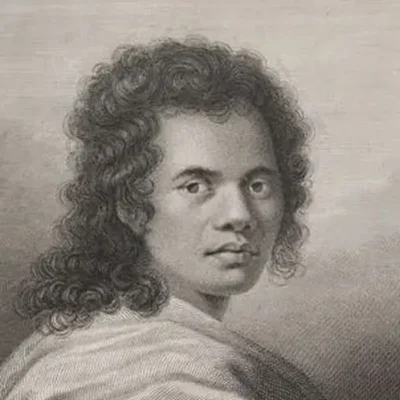
To begin with, Omai — originally named Mai — was born on the island of Raiatea, part of Tahiti. The son of a landowner, he held noble rank in Polynesian society. In 1774, he sailed to England aboard HMS Adventure, part of Captain Cook’s second voyage.
However, although Captain Tobias Furneaux brought Omai as something of a “curiosity,” the English aristocracy quickly welcomed him as their guest. His noble status at home and his composed demeanor in London elevated him far beyond the role of spectacle.
Omai Polynesian Tattoos And Their Meaning
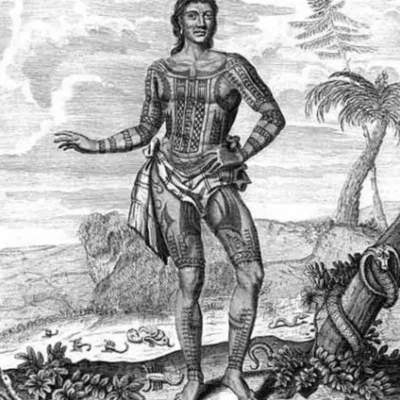
Captain Cook had already recorded Polynesian tattooing traditions before Omai’s arrival. In 1769, he wrote in his journal: “Both sexes paint their bodys Tattow… done by inlaying the Colour of black under their skins in such a manner as to be indelible.” This marked the first use of the word “tattow” in English, a term derived from the Polynesian word tatau — the tapping sound made when ink entered the skin.
In fact, in Polynesia, tattoos were more than decoration; they were a living language. Body art expressed identity, rank, and maturity. Indeed, Omai carried intricate tattoos across his back and hands, black-lined designs that captivated Londoners. To a society where tattoos symbolized crime, his ink looked fascinating, mysterious, and powerful.
The same precision that defined Polynesian tattoo traditions lives in every clean line a modern artist pulls today. REBEL Round Liner Cartridges are built for exactly that — sharp, consistent lines with zero skipping.
Use code FIRST20 at checkout for 20% off your first order.
Omai Polynesian Tattoos And Becoming A Celebrity
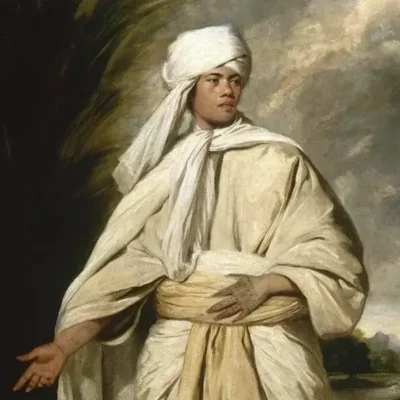
Omai’s impact went beyond tattoos. His refined manners and charisma won over England’s elite. As a result, Sir Joseph Banks, President of the Royal Society, and Lord Sandwich, First Lord of the Admiralty, became his patrons. They introduced him to high society, arranged his residence in London, and even presented him at court.
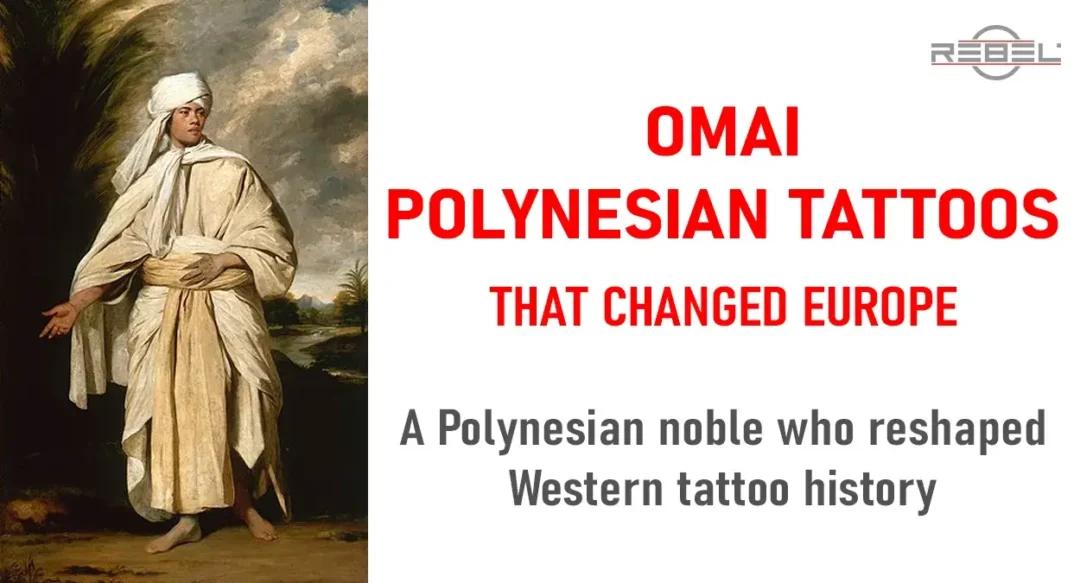
King George III and Queen Charlotte were intrigued. Omai dined at royal tables, attended banquets, and learned to ride horses, play chess, and socialize as an English gentleman. Moreover, tall, handsome, and tattooed, rumors spread that he had affairs with aristocratic women. Consequently, his presence inspired plays, poems, and even a pantomime titled Omai: Or, A Trip Round the World. One of the most famous portraits of Omai still survives today, painted by William Hodges and preserved at the Royal Museums Greenwich.”
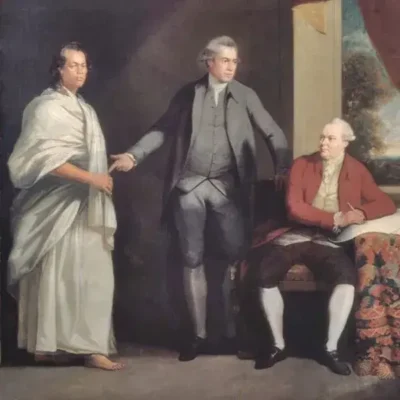
In a time when most visitors from beyond Europe were marginalized, Omai became a sensation — the first celebrity of Polynesian heritage in England. Omai’s patrons — Banks and Sandwich — are depicted alongside him in one of the most documented group portraits of the era. The painting captures a moment that no political treaty or diplomatic mission could manufacture: genuine curiosity between two worlds. For London’s elite, Omai was living proof that identity could be written on the body — and read by anyone willing to look.
The Wind Of Change In Tattoo History
Omai’s story reflected the shifting tides of the Enlightenment. As Europe questioned old norms and embraced new ideas, Europe no longer dismissed Omai as uncivilized but admired him as fascinating and dignified.
As a result, tattoos that once symbolized criminality in Europe began to spark fascination. Soon after his return to Tahiti, English sailors proudly displayed their own tattoos for money in taverns. In turn, these displays spread tattoo culture further into popular life. What had been shameful marks were becoming signs of adventure, identity, and culture.
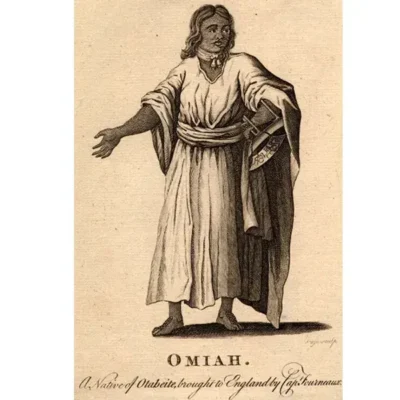
Polynesian artists packed bold, solid black into skin with nothing but a comb and a mallet. Today that same density comes from REBEL Curved Magnum Cartridges — built for smooth, even ink saturation across every fill.
Conclusion
Omai didn’t just captivate London — he cracked open a door that centuries of stigma had kept shut. His Polynesian tattoos introduced the Western world to something it had never considered: that ink on skin could carry nobility, identity, and power.
That legacy didn’t end when he sailed back to Tahiti. It rippled forward through every sailor who wore a tattoo proudly, every artist who picked up a machine, and every client who sat in a chair for something meaningful.
The tradition demands precision. So does your equipment.
Frequently Asked Questions
Omai carried intricate black geometric designs across his back and hands — bold lines and patterns that followed the traditional Polynesian tatau system. Unlike decorative Western body art, each mark communicated rank, identity, and maturity within his society. To 18th-century London, they looked unlike anything European eyes had seen.
The word tattoo derives from the Polynesian word tatau — the rhythmic tapping sound made when a comb tool drives ink into skin during traditional handpoke tattooing. Captain Cook first recorded the term in 1769 during his voyage to Tahiti, spelling it “tattow.” It entered the English language from there and eventually became the word used worldwide today.
Omai’s arrival in London in 1774 was the turning point. His tattooed presence in aristocratic circles reframed ink from a mark of criminality into a symbol of dignity and cultural identity. After his return to Tahiti, English sailors began displaying their own tattoos publicly — spreading the practice into mainstream Western life. That single cultural exchange planted the roots of the global tattoo industry as it exists today.
Explore
For artists ready to work with modern systems, explore the full range of REBEL Precision Cartridges — designed for safety, consistency, and efficiency. Want to experience REBEL precision firsthand? Request REBEL Free Ink and Cartridge Samples — available for verified professionals and apprentices only.
Read On
Continue reading in Rebellion Reads.
- Tattoo Equipment Evolution Pt. 6 — Curved Magnums
- Tattoo Equipment Evolution Pt. 7 — Tattoo Needle Manufacturing
Spread The Knowledge
If this article gave you clarity, share it with fellow tattoo artists and apprentices. The more we understand how our tools are built, the higher we can set the standards of tattooing.
Make Your Voice Heard by Leaving a Comment
Got questions or insights about today’s topic? Drop them in the comments — your voice helps push the craft forward.
History remembers the bold. So does skin..

